

Most people know the image: the black dress, the cigarette holder, the updo, Tiffany’s window at dawn. It’s one of the most reproduced photographs in film history. But that image, oddly enough, is part of why Audrey Hepburn is so misunderstood. People remember the icon and skip the person, and the person is a lot more interesting — and a lot stranger, by Hollywood standards — than the icon suggests.
She Didn’t Come Up Through the System
Most of Hepburn’s contemporaries — Marilyn Monroe, Elizabeth Taylor, Ava Gardner — were shaped by the studio system from a young age. They were groomed, coached, packaged, and sold as a type. Hepburn wasn’t. She trained as a ballet dancer in the Netherlands and England, and she came to acting almost sideways, first through stage work in London and then through modeling. By the time she landed in Hollywood, she wasn’t a product of the machine, and it showed. She didn’t move or talk like the actresses being manufactured around her.
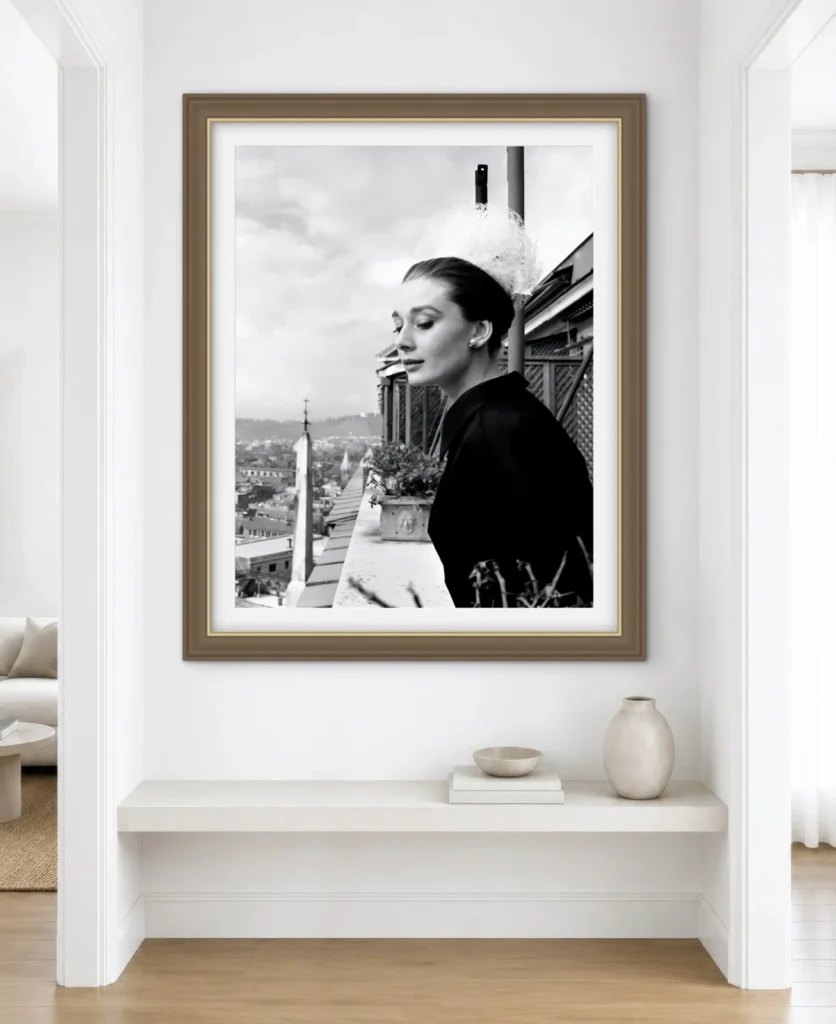
That outsider quality wasn’t a performance choice. Directors and casting agents kept trying to figure out what “type” she was, and she didn’t fit any of the available boxes. Billy Wilder, who directed her in Sabrina, reportedly said Hollywood had been looking for a girl who didn’t look like a advertisement for something, and then she showed up. She got the part in Roman Holiday — the role that made her famous and won her an Oscar — largely because she read as genuine rather than glamorous. That was new.
The War Years Explain a Lot
Here’s the part of her biography that tends to get flattened into a footnote: Hepburn spent her adolescence in Nazi-occupied Netherlands, in Arnhem, during some of the worst years of the occupation. Food was scarce. By the final winter of the war, known as the Hunger Winter, she and her family were surviving on things like tulip bulbs ground into flour. She suffered from malnutrition and anemia that affected her health for the rest of her life, and it’s part of why she stayed so thin — not a Hollywood diet, but the lasting physical effect of childhood starvation.
She also, by her own later accounts, did small acts of resistance work as a teenager — passing messages, performing in silent fundraising events for the Dutch resistance because a silent audience wouldn’t tip off German soldiers nearby. This is not the biography of someone who grew up dreaming about premieres. It’s the biography of someone who understood scarcity, danger, and real stakes before she ever understood a soundstage. People who’ve been through that tend not to be very impressed by a limousine.

She Didn’t Buy Into the Bombshell Formula
The dominant mode for a leading lady in the 1950s was some version of the bombshell: curves, sultriness, a certain practiced availability to the camera. Hepburn was built differently, physically and temperamentally, and rather than fight that or fake her way into the existing mold, she and costume designer Hubert de Givenchy essentially built a new one. Clean lines, minimal fuss, covered up rather than revealed. It wasn’t a rejection of glamour — she was plenty glamorous — but it was glamour built around restraint instead of spectacle.
This is worth sitting with, because it wasn’t just a fashion choice. It reflected how she carried herself generally. She wasn’t cultivating mystery through scandal, romantic drama played out in the tabloids, or feuds with other actresses, the way a lot of her peers were, whether by choice or studio design. She just didn’t produce that kind of material. Reporters covering her often described her as polite, private, and slightly baffling to write about, because there wasn’t a persona to dig underneath. What you saw was
reasonably close to what she was.
She Treated Fame as a Job, Not an Identity
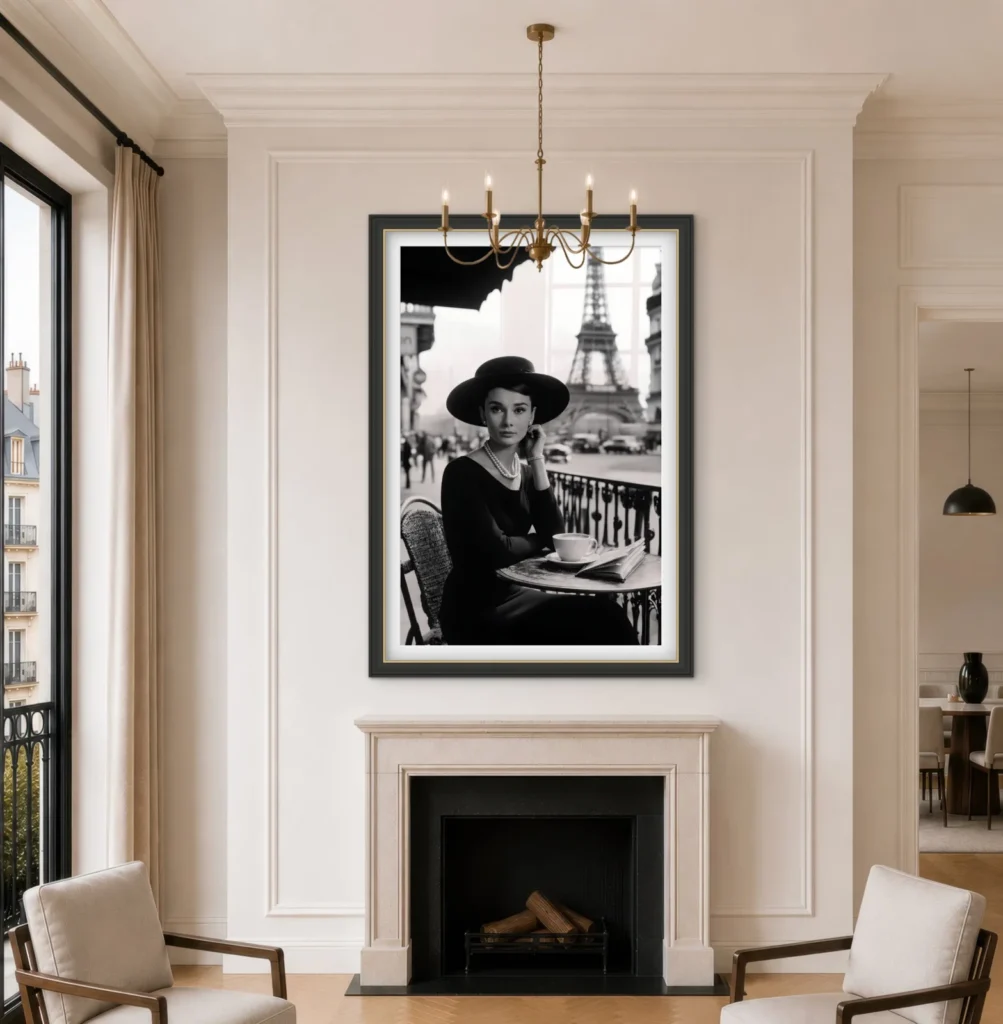
Hepburn worked steadily through the 1950s and into the 1960s — Roman Holiday, Sabrina, Funny Face, Breakfast at Tiffany’s, Charade, My Fair Lady — but she was never especially prolific compared to her contemporaries, and she stepped back from acting almost entirely once she had children, resuming only occasionally over the following decades. That alone set her apart in an industry that generally treats a break in output as career suicide. She didn’t seem to experience it that way. Family came first, on her own terms, and she was open about prioritizing it even when it meant turning down major roles.
She was also famously easy to work with, by the accounts of directors, costars, and crew — professional, prepared, without the entourage-driven demands that defined a lot of star behavior even then. Multiple people who worked with her described her as low-maintenance almost to a fault, someone who thanked the crew by name and didn’t require managing. That’s not a small thing in an industry built on managing difficult personalities.
The Second Half of Her Life Wasn’t a Victory Lap
A lot of aging stars use their later years for comeback attempts, memoirs, or maintaining visibility. Hepburn largely didn’t. Starting in the mid-1980s, she became a Goodwill Ambassador for UNICEF and spent much of her remaining time traveling to some of the hardest places on earth — Ethiopia, Sudan, Bangladesh, Vietnam, Somalia — during famines, wars, and refugee crises, doing fieldwork and advocacy, not photo ops from a hotel balcony. Given her own childhood experience with wartime hunger, this wasn’t a celebrity cause picked for optics. It tracked directly back to who she’d been as a teenager in Arnhem.
She kept doing that work until close to the end of her life, even while managing the cancer that eventually killed her in 1993. She wasn’t chasing another Oscar or trying to stay culturally relevant. She’d apparently already decided what mattered, and it wasn’t the industry that made her famous.
Why This Still Lands Differently Than the Usual Old-Hollywood Nostalgia
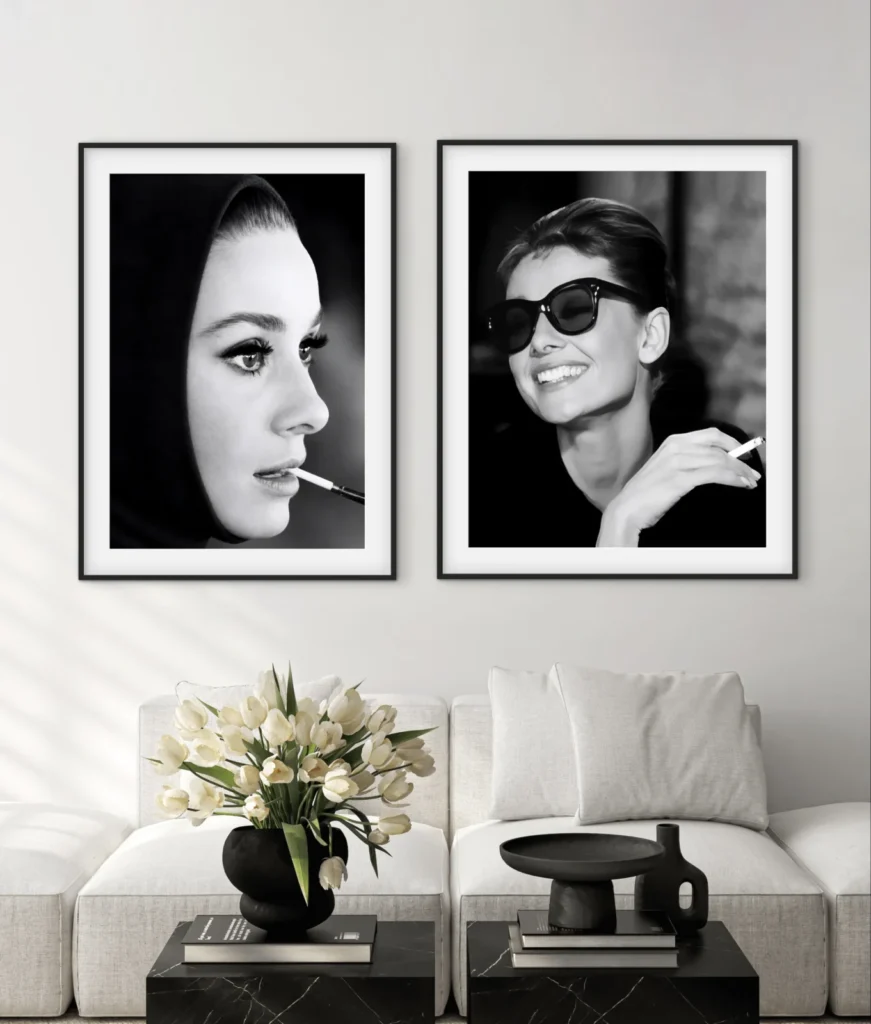
It’s easy to be nostalgic about classic Hollywood in a generic way — the fashion, the black-and-white glamour, the sense that stars used to be more mysterious. Hepburn gets folded into that nostalgia constantly, mostly through that one still image from Breakfast at Tiffany’s. But the more interesting story is the one underneath: someone shaped by real deprivation, who never fully adopted the performance of stardom, who kept her private life private without turning that into its own kind of spectacle, and who spent her last years doing difficult, unglamorous humanitarian work instead of protecting a brand.
She wasn’t unaffected by Hollywood because she was above it in some vague, saintly way. She was unaffected because she came from somewhere else entirely, and she never fully stopped being that person underneath the career.


