
Born in Switzerland in 1924, she began working in photography at the age of 18, when she took up an apprenticeship with the Boissonnas Studio in Geneva. The end of World War II coincided with her first published photo story at 21 and a move to Paris. Her images became symbolic of Paris’s post-war years – a man running through a cobbled street into the light, children playing amongst the washing lines and girl playing in a fountain.
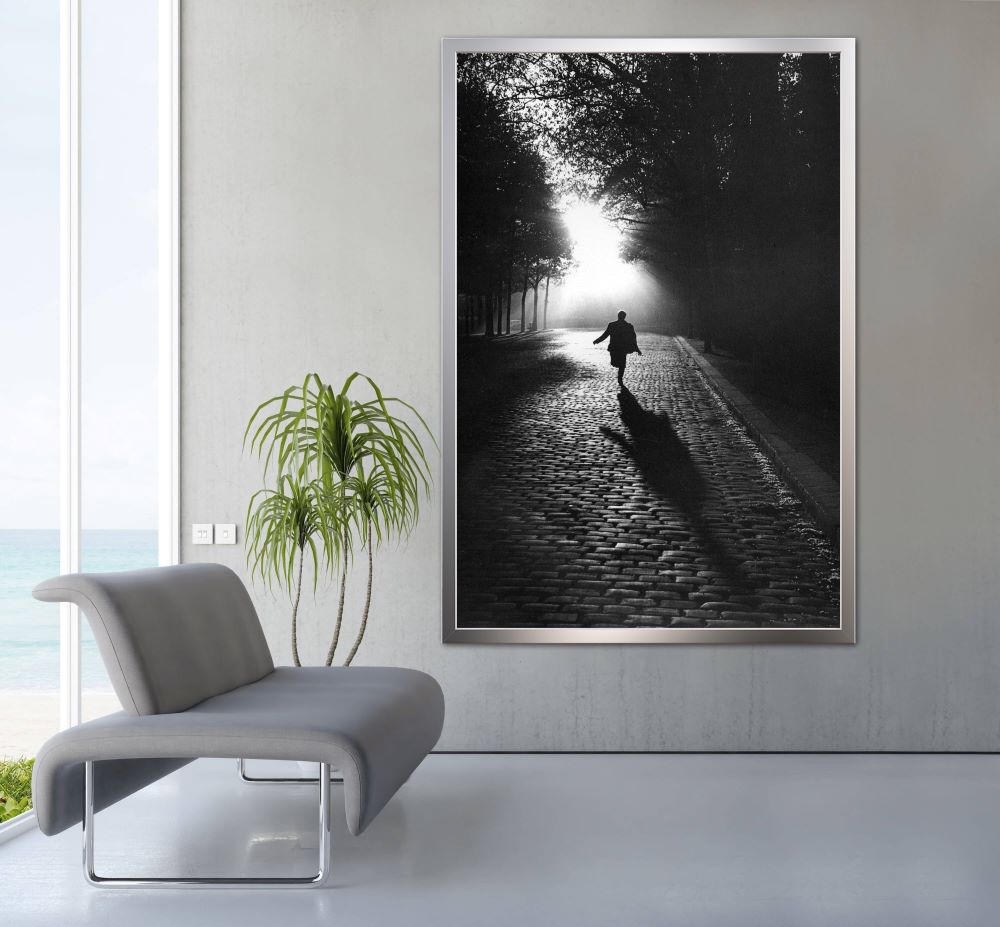
Sabine Weiss was a key figure in France’s post-war photographic landscape. Her approach aligned with the mid 20th century’s vision of photography in which she sought to document the realities of everyday life, drawing out the spontaneous human experience. She was at home in the street, day and night encountering her subjects with compassion, and creating a visual rapport that still resonates.

Weiss was widely regarded as the last remaining representative of the humanist photographic tradition, even though she called herself an ‘artisan’ She had the ability to find the beauty of small moments, whether talking to a group of mischievous children or photographing a silhouette through a window.
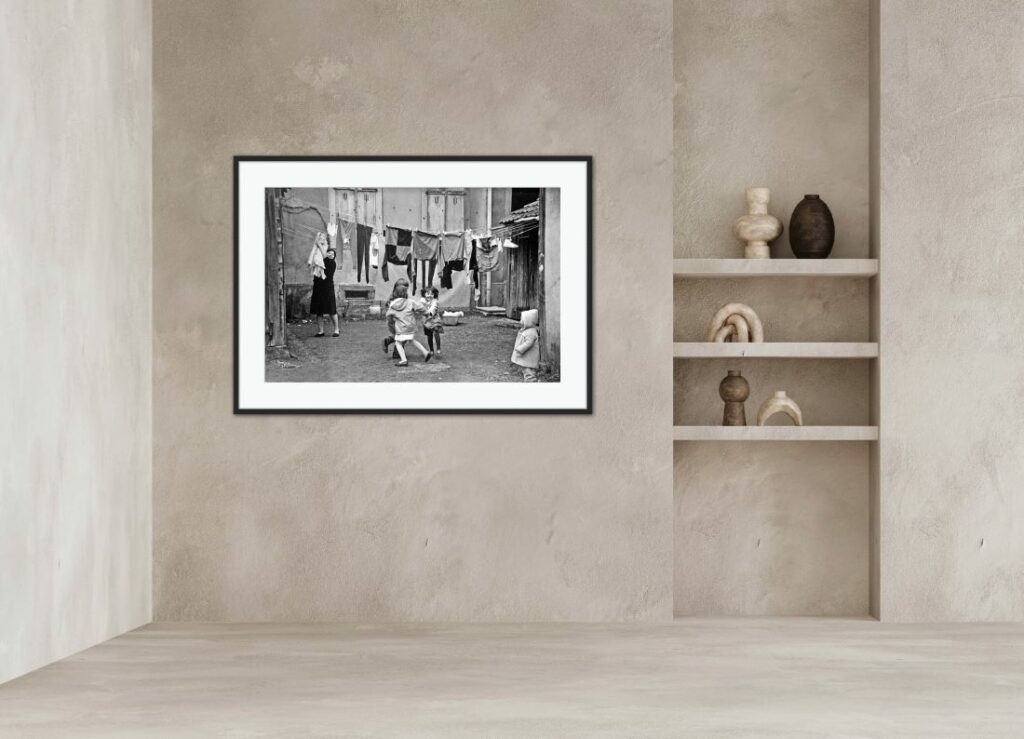
“I take photographs to hold on to the ephemeral, capture chance, keep an image of something that will disappear, gestures, attitudes, objects that are reminders of our brief lives.”
— Sabine Weiss


