
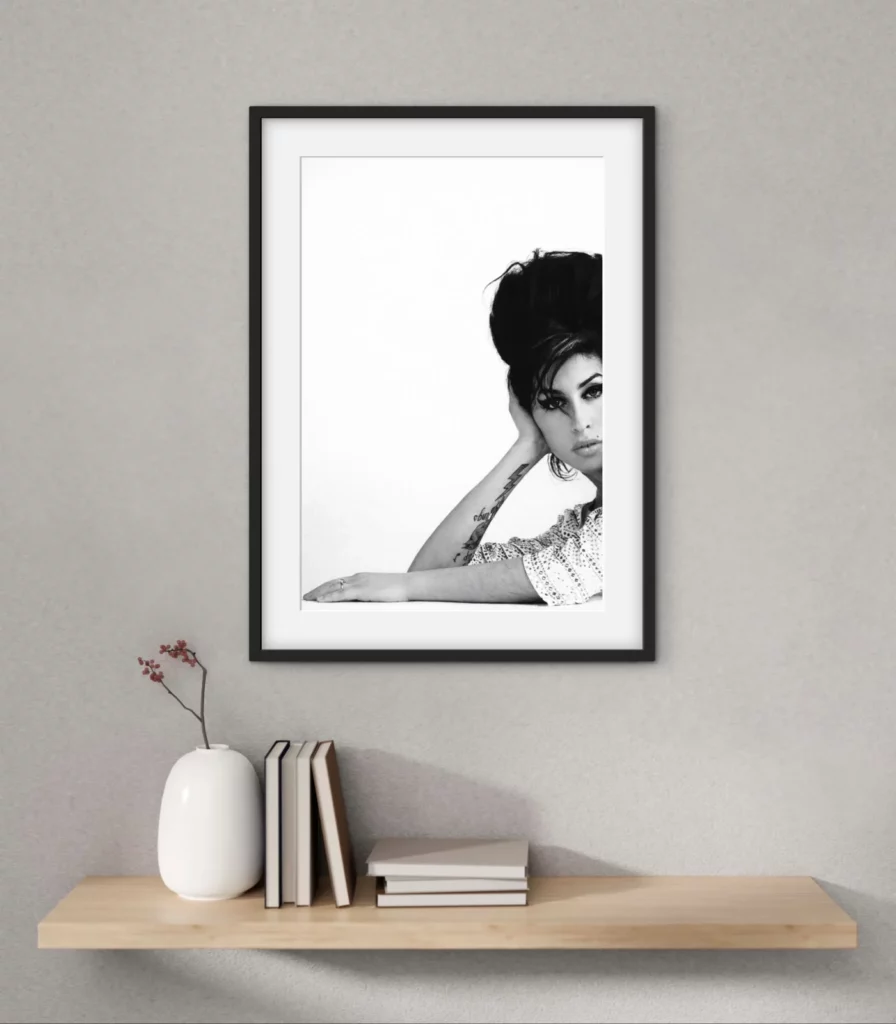
Some voices you don’t just hear—you feel. They slip through your speakers, wrap around your heart, and suddenly, the world sounds a little more honest. That was Amy Winehouse. A powerhouse wrapped in eyeliner, sass, and soul. A vintage heart in a modern world. A firecracker with a jazz record collection.
While much has been said about Amy’s struggles, today we’re here to celebrate what made her unforgettable: her music, her style, and her fierce, unfiltered spirit.
The Voice That Stopped Time
From the moment you heard Amy sing, it felt like diving headfirst into a smoky jazz bar in the 1960s—with a modern twist. Her voice was sultry, raw, and effortlessly cool. No auto-tune. No fluff. Just pure, gut-punching soul.
“Rehab.”
“You Know I’m No Good.”
“Valerie.”
“Back to Black.”
Each song was a confession, a mood, a vibe.
She could switch from heartbreak to flirtation in one verse, and we followed every note like it was gospel.
Let’s talk about that iconic look
Amy didn’t follow trends—she made them.
- The sky-high beehive
- The dramatic winged eyeliner
- The rockabilly-meets-streetwear vibe
- The tattoos, ballet flats, hoop earrings
She dressed like every day was a show—and honestly, we’re still trying to match that energy.
“I just dress like I’m in a girl group from the ’50s.”
— Amy, keeping it real and fabulous
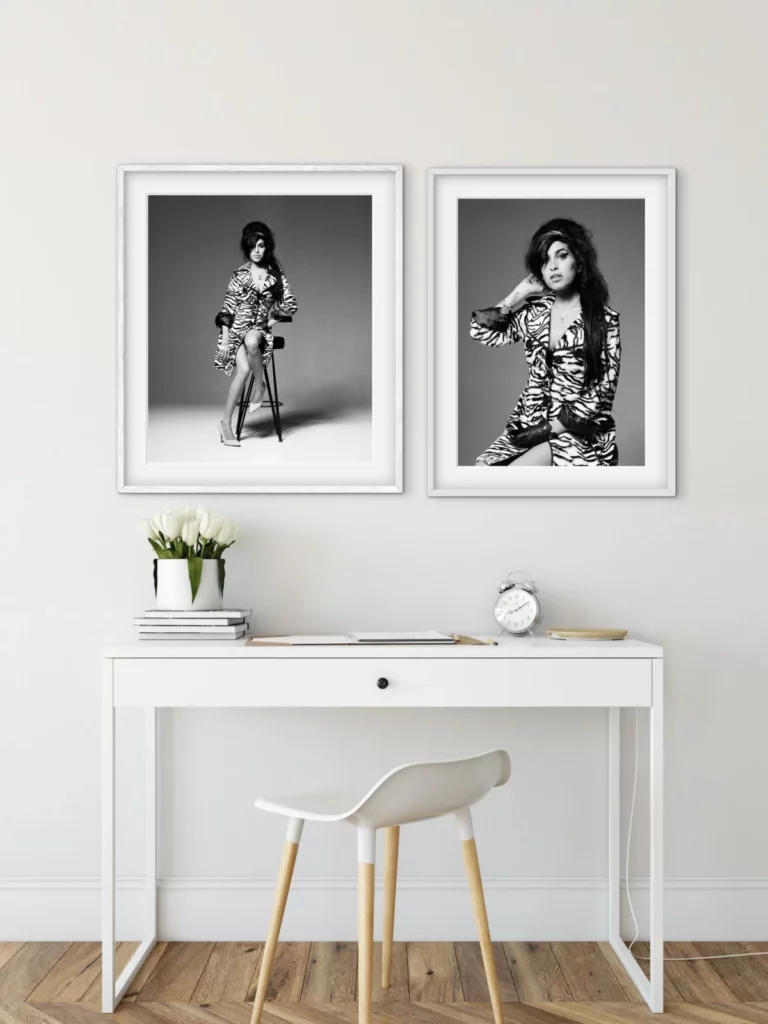
Amy wasn’t just an artist—she was a movement. She made it cool to love old-school soul again. She reminded a whole new generation how powerful jazz, blues, and Motown could be.
And she paved the way for so many artists—Adele, Duffy, Jorja Smith, and even Billie Eilish owe a nod to Amy’s fearless fusion of retro and real.
Even her sad songs grooved. Even her heartbreak sounded like a dance in slow motion. That was Amy’s genius—she gave her pain rhythm, her joy grit, and her music a heartbeat you could dance to.
Throw on “Tears Dry on Their Own” or “Love Is a Losing Game” and just feel the layers: sadness, sass, soul, and something quietly triumphant underneath it all.
Because she was unapologetically herself.
Because she said what she meant and sang what she felt.
Because her music lives on—in record stores, playlists, gallery prints, fashion, and hearts across the world.
Amy Winehouse wasn’t just an icon. She was a genre, a mood, a spark that lit up the music world—and never really went out.

In Closing: Long Live the Lioness
So here’s to Amy. To the eyeliner. The beehive. The beats. The brass.
To singing in your kitchen with a hairbrush mic.
To jazz hands with edge.
To feeling everything and putting it in a song.
“Life’s short. Anything could happen, and it usually does, so there is no point in sitting around thinking about all the ifs, ands, and buts.”— Amy Winehouse


